
How To Install RAM Memory
Learn how to install ram in your desktop computer or laptop. This how to guide is simple to understand so that anyone can upgrade their computers memory in just a matter of minutes. 
1. Discover what kind of RAM is needed for your desktop PC. RAM arrives in a mixture of models and velocities. The sort of RAM you can get is reliant on your PC's motherboard. Check your motherboard or PC's documentation, or check the producer's site for the RAM details that are good with your equipment. RAM is accessible as DDR (twofold information rate), DDR2, and DDR3. Most fresher PCs use DDR2 or 3. You must get the sort that matches what your motherboard bolsters RAM is recognized by two diverse pace numbers: the PC/PC2/PC3 number and the MHz speed. Verify that both match your motherboard's details. The PC number (ex. PC3 12800) alludes to the greatest transmission capacity (ex. 12800 = 12.8 GB greatest data transmission). The pace of the RAM is implied by the number after the DDR detail (ex. DDR3 1600 = 1600 MHz). Check what number of attachments you have for RAM. Your motherboard has an utmost to the quantity of RAM sticks you can introduce. Some motherboards bolster just two, while others bolster four, six, or significantly more. Most motherboards have a farthest point to the measure of memory that they bolster, paying little mind to the quantity of spaces. iMacs use journal memory, so allude to the following segment for directions on the most proficient method to introduce it.
2. Browse our huge selection and find the exact RAM your computer needs. We can even analyze your computer and tell you what type of memory it takes so you know exactly whats needed. If you already know what type ypu need check out our selection below.
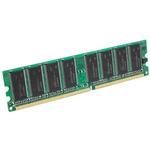
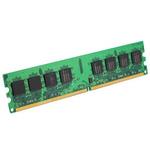
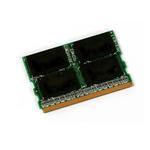
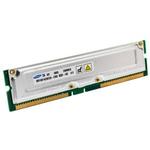
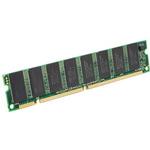
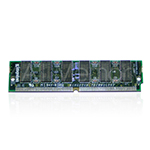
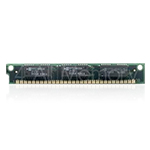
Find the computer memory you need. Are you upgrading your current memory or looking for memory for your custom build computer? With our memory prices, there’s no reason to not max out your machine. Adding more computer memory is the quickest and cheapest upgrade for the performance increase out there. Give us a call if you’re not sure what kind of memory your machine takes and we’ll get you the exact RAM you need.
3. Shut down the PC. Unplug the PC and any peripherals associated with the PC, such screens, consoles, and mice. Open your PC case. Lay your PC tower on its side, with the goal that you can get to the motherboard when the side board is evacuated. You may require a Phillips-head screwdriver to evacuate the board, or you may have the capacity to unscrew it by hand. Release any static. Guarantee that you don't have static form up on your body. Static can harm PC parts, and can be subtle to a human. Ground yourself before beginning, or utilize an antistatic wrist strap. You can ground yourself by touching a metal part on your PC case while it is unplugged from the divider. Basically being killed does not evacuate any standby voltages, so verify its unplugged.
Most motherboards have 2 or 4 RAM spaces. RAM attachments are regularly situated close to the CPU, however their area may differ contingent upon the maker or model. Allude to your motherboard's format graph in your documentation on the off chance that you are experiencing issues finding he attachments. Uproot old RAM (if overhauling). In the event that you are supplanting old RAM, evacuate it by discharging the braces on every side of the attachment. The RAM will be discharged from the attachment, and you'll have the capacity to lift it straight out of the motherboard with practically zero exertion. Take your new RAM out of its defensive bundling. Precisely expel the Ram from the protected bundling. Grasp it from the sides to abstain from touching the contacts on the base or the hardware on the board. Embed the RAM into the RAM opening. Line up the indent in the stick of RAM to the break in the space. Set the stick into the opening and after that apply equivalent weight onto the stick until the cinches as an afterthought snap and lock the RAM in. You may need to apply a considerable lot of weight, however never compel it in. Verify coordinating sets are embedded into their coordinating attachments. Most are marked on the board or by shading, however you may need to allude to your motherboard format graph. Verify that they are confronting the same way. Rehash the procedure for every stick of RAM you need to introduce. Close up the PC. Once you've wrapped up your RAM sticks, you can return the board on and tighten it back. Abstain from running your PC while the board is off, as this will really lessen the cooling force of your fans. Plug your peripherals and screen back in.
Power on the PC. Your PC ought to begin regularly. In the event that your PC shows the individual test amid the startup, then you can confirm that the RAM has been introduced accurately. If not, you can confirm that the RAM was introduced once Windows begins. Weigh the RAM in Windows. Press The Windows key + Pause/Break to open the System Properties. You can likewise tap the Start menu, right tap on Computer/My Computer and snap Properties. Your RAM will be recorded in the System area or at the base of the window. Working frameworks ascertain memory diversely and a few PCs devote a certain measure of RAM to particular capacities (e.g., feature), diminishing the sum accessible. For instance, you may have obtained 1 gigabyte of RAM. The working framework might just show 0.99 gigabytes.